
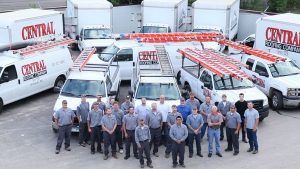
We are CENTRAL to metal roofing and fabricated panel exteriors.
Today’s construction and building design trends demand dynamic exteriors, versatility, and superior long-term maintenance plans. Whether the project is new construction, retrofitting existing exteriors with metal or composite wall panels for a new look, or replacing an existing roof with a new metal roofing system, Central Roofing Company’s Metals Department is Always on Top. We provide clients and general contractors with comprehensive metal services. Our projects are all supported at every phase by on-staff professionals and facilities dedicated to metalwork. At Central Roofing Company, we are Central to architectural and structural metal roofing and wall panels.

METAL ROOFING SYSTEM REPLACEMENT
Design flexibility, low maintenance costs, and durability are increasing metal roofing’s presence in the industry. More and more commercial, industrial, and small building owners are selecting metal roofing for a portion of, or the whole, roofing replacement.
NEW CONSTRUCTION METAL ROOFS & WALL PANELS
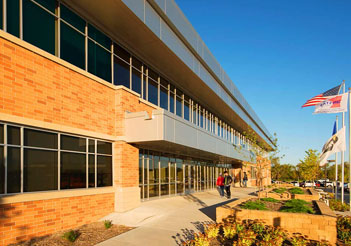
New commercial and multi-tenant buildings are often designed with a metal roofing system or metal panels spanning large portions of their exteriors and interiors. In addition to architectural and structural metal roofing, Central Roofing Company offers design, fabrication, and installation of metal wall panels. Rather than working with separate contractors to complete the roof and a building’s exterior facade or interior finishes, trust Central Roofing Company to do it all and realize the efficiencies first-hand.
EXTERIOR AND INTERIOR RETROFITS
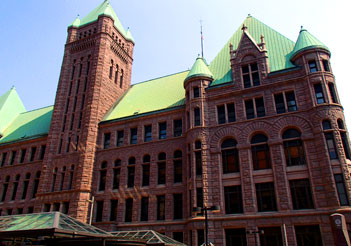
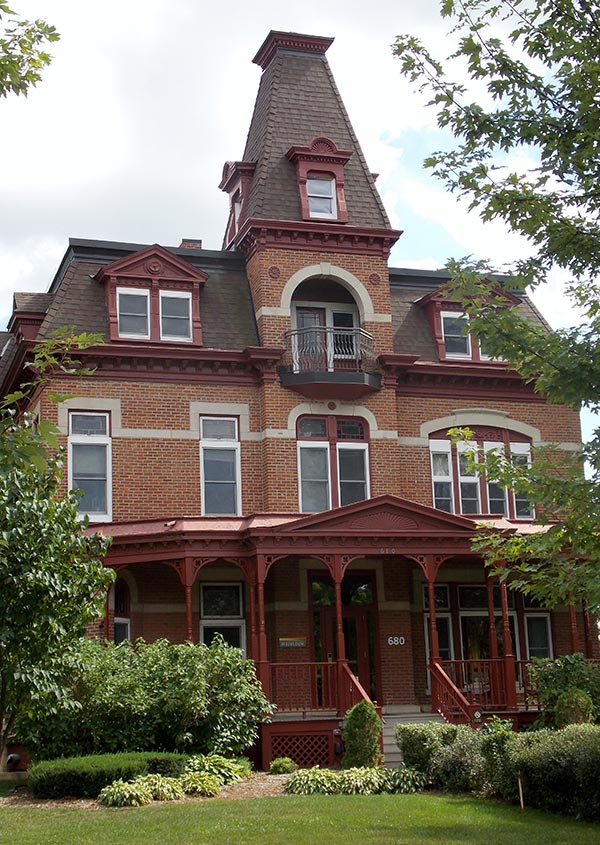
Solving a structural or cosmetic issue with a building’s exterior or interior is often as easy as metal. Metal is versatile. It can be a seamless, budget and environmentally friendly stand-in for materials that need to be replaced on historical buildings. It can update the form and function of any space repurposed for a new commercial use. Retrofitting a storefront, school, small business center, or multi-tenant building with metal panels creates customized, beautiful results people will notice.
STRUCTURAL STANDING SEAM METAL ROOFING
Central Roofing Company installs a full range of commercial structural panel systems with profiles that are designed for architectural-quality details at eaves and other edge conditions. This roof type is a typical choice for use on a high-wide building with an open frame such as a warehouse or large storage space with a steep-slope or curved roof. Standing seam metal roofing is strong, durable, and requires little maintenance over its lifetime.
ARCHITECTURAL STANDING SEAM METAL ROOFING
Architectural systems are generally considered aesthetic in nature and are often chosen by architects for high visibility areas such as fascias, mansards, and other steep-slope applications. They are typically designed for use over a solid wood deck. Central Roofing Company fabricates all metal types in-house customized to our projects’ unique specifications. Ask about Central Roofing Company’s “Central Stock” of the most widely-used metals and finishes kept on-site in our Metal Works. Clients benefit in terms of project scheduling and cost-savings from our industry-leading purchasing power.
CUSTOM METAL ROOFING
Accentuate the beauty and creativity to be found in custom metal roofing systems and materials. Flat Seam Metal Roofs are perfect over dormers or on roof parts to create interest. A Copper Roof is timeless, luxurious, and statement-making whether it is part of a new construction project or replicating an original design established on top of a historical building. Metal Shingles in all forms embody the strength as well as the architectural innovation and design of metal with the traditional character of shingles. Discuss options with our project managers dedicated to Metals.
SINGLE SKIN METAL PANELS
Central Roofing Company installs preformed, or roll-formed, metal wall panels. Known by the industry as Single Skin Metal Panels, this wall panel option serves building owners and architects as one of the best combinations of economy, service, and design. Preformed metal wall panels are manufactured from a variety of metals, including steel, aluminum, copper, and zinc. The finishes are applied during the manufacturing process in a controlled environment to help ensure even greater protection and longevity. These wall panels are a great option for retrofits, offering the opportunity to add distinctive architectural effects to a building without necessarily incurring a lot of additional expense.
ALUMINUM COMPOSITE PANELS
Eye-catching, durable, and only half the weight of aluminum, Aluminum Composite Panels are both attractive and practical for use in visual merchandising, framing, archiving, commercial interiors and exteriors, construction, and fine art applications. Central Roofing Company installs this type of panel on interiors and exteriors of buildings. It also serves as an excellent material for rooftop or balcony screens, parking garage shields, and utility or waste area shields. We have the capability to produce custom designs in-house or work directly with architects, designers and general contractors to achieve a desired form and function.
PHENOLIC PANELS
Central Roofing Company typically installs Phenolic Panels over whole sections of walls but it is also a good choice for clients looking to update or cover only portions. Phenolic panels are a flat panel based on thermosetting resins, homogenously reinforced with wood fibers, and manufactured under high pressure and temperature. Using special techniques, the panels have an integrated, decorative surface with pigmented resins. The resultant properties make the product particularly suitable for a wide range of exterior applications, encompassing almost any retrofit or new construction plan.
INSULATED METAL PANELS
A proven choice for commercial building owners and facilities managers seeking to cover expansive spaces such as arenas, distribution centers, and Public Works buildings. One of the most sophisticated building products on the market today, insulated wall panels and insulated roof panels offer a clean, high-quality appearance that immediately adds value to any building. Insulated panels enhance the visual appearance of your building, and their remarkable lightweight reduces structural requirements and installation costs. Coupled with the installation expertise of Central Roofing Company, the durable and reliable thermal performance of this material assures a long-lasting and energy-efficient result.
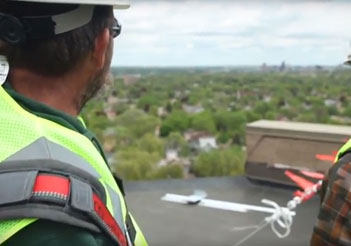
TOP 5% SAFETY RECORD
Recognized as one of Minnesota’s safest roofing companies, Central Roofing demands safety at every turn. We invest significant resources into employee training and jobsite safety.